
The Conflict Between Speech and Truth
The Government InspectorThis thread follows the competing stories that drive the comedy, from official excuses and Khlestakov's improvisations to the letter that punctures them.
increasing Bearing strength in each event
 decreasing
Bearing strength in each eventdecreasingA Political Guess
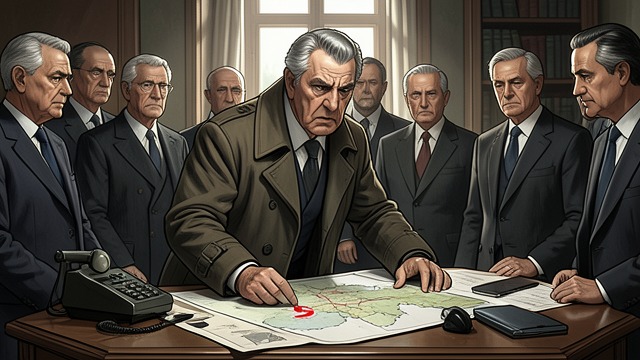
Speculation Fills the Room
A theory of war
Ammos Fiodorovich Liapkin-Tiapkin interprets the inspector's arrival as evidence that Russia may be preparing for war. His speculation offers an explanation unsupported by the warning.
Talk becomes a shield
The officials speak to manage uncertainty rather than establish facts. The play's first false narrative anticipates the larger one they will build around Khlestakov.
The Mayor's Public Story
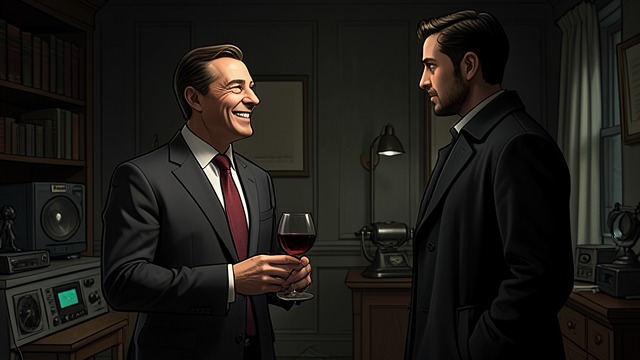
A Speech of Good Governance
Virtue performed
The Mayor tells Khlestakov that he serves the town selflessly and worries about civic conditions even at night. His words contradict the earlier orders to conceal failures.
The listener's appetite
Khlestakov responds more to hospitality and food than to evidence. The Mayor's rhetoric succeeds because it is not seriously examined.
The Guest's Inventions

A Lie Grows Larger
Self-presentation accelerates
Khlestakov claims authorship, wealth, and intimacy with powerful figures. His talk slips from exaggeration into extravagant invention as the listeners react with reverence.
Truth loses its force
The officials do not ask for proof because the imagined rank matters more to them than accuracy. Their credulity turns speech into a temporary instrument of rule.
The Petitioners' Counterstory
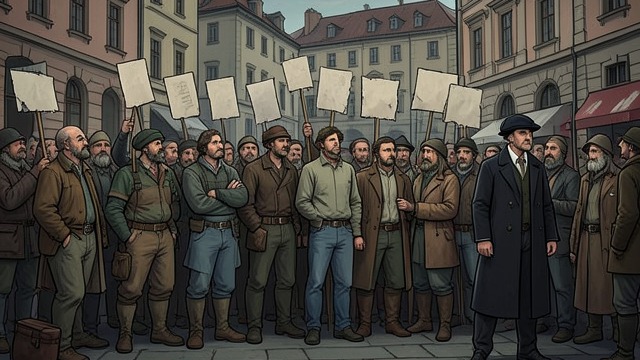
Residents Challenge the Mayor's Version
Accounts from below
Merchants and abused women describe extortion, forced conscription, and police violence. Their accounts contradict the Mayor's claims of order and devotion.
A distracted judge
Khlestakov hears them but does not undertake a real inquiry. Their testimony exposes the conflict between official self-description and lived experience without resolving it.
The Letter as Counterevidence
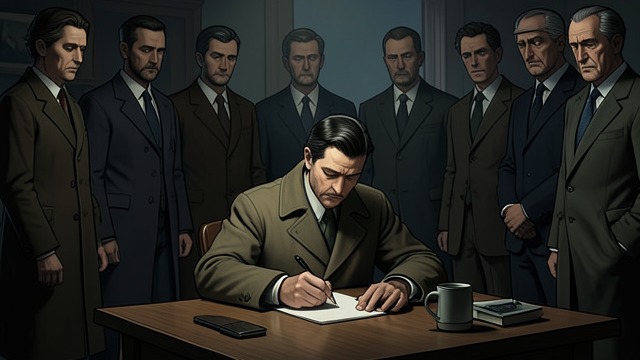
Private Words Break the Spell
A candid account
Khlestakov's letter describes the town's payments and the officials' gullibility in plain, mocking terms. Its private purpose becomes public evidence of the deception.
No story can contain the truth
The officials try to question the letter and its wording, but the written account defeats their earlier interpretations. The arrival of a real inspector makes denial still less secure.
Act I, during the first meeting
Act III, during the official tour
Act III, during his account of Saint Petersburg
Act IV, during the complaints
Act V, during the public reading
